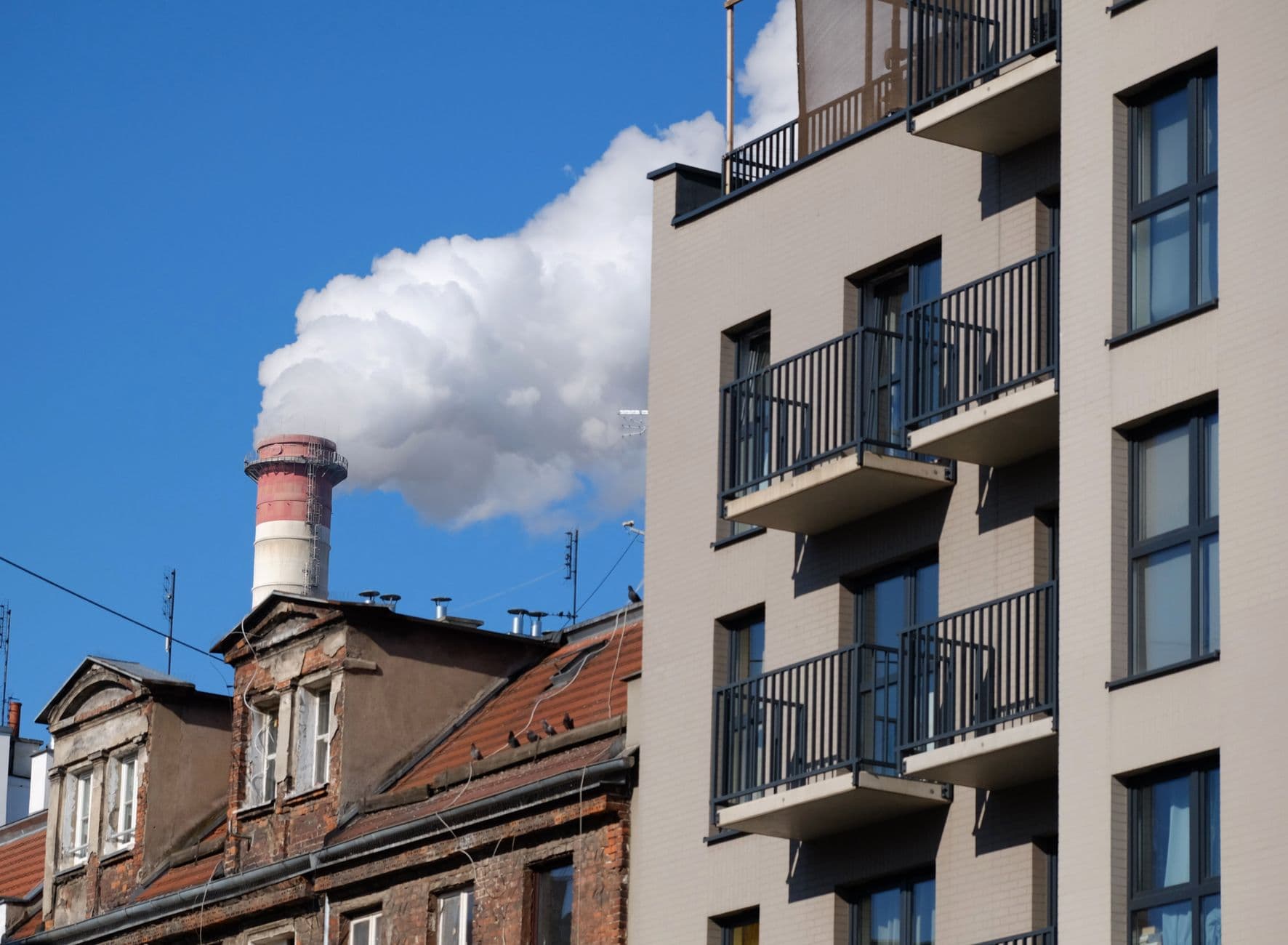

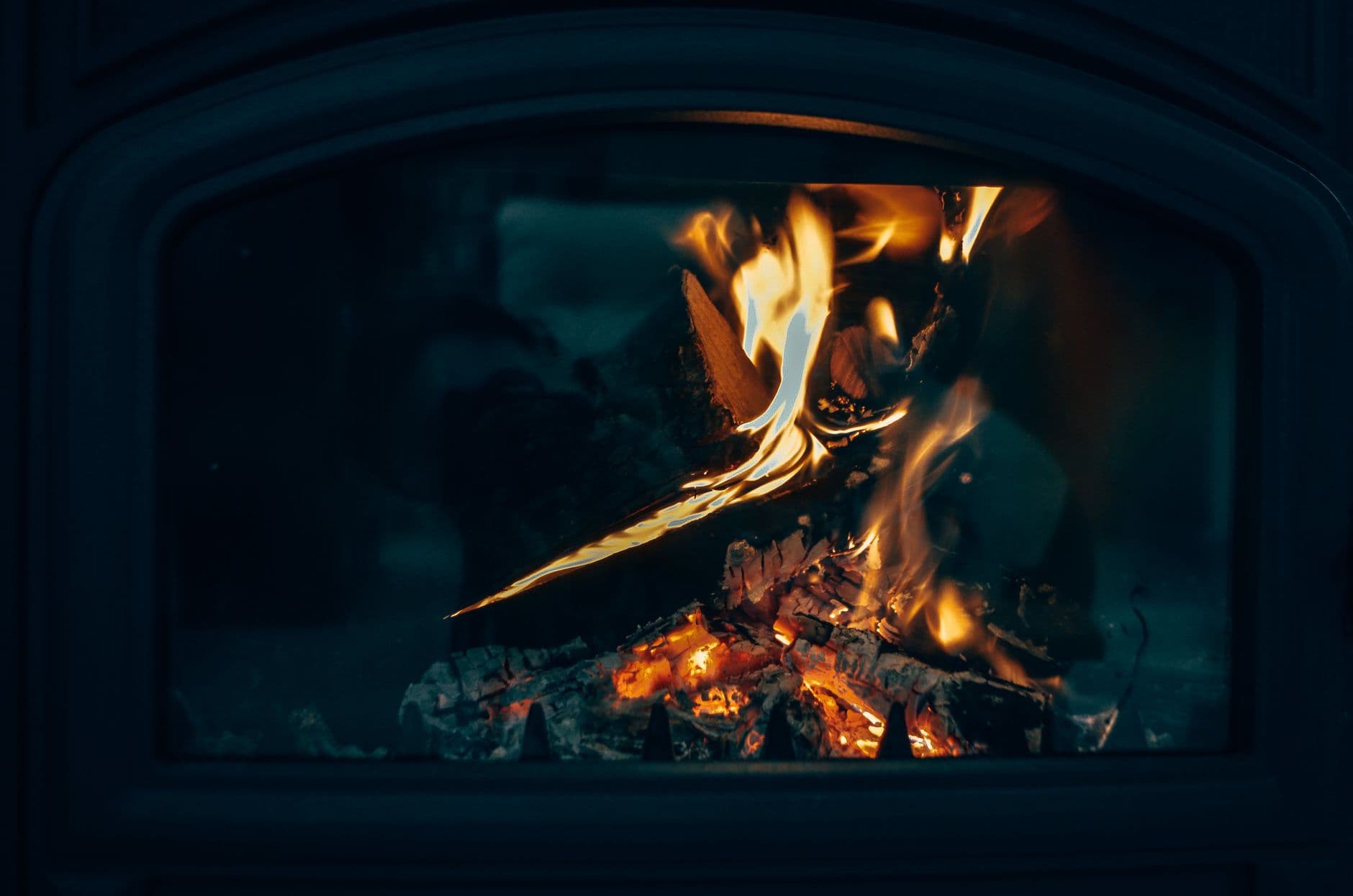
A Buildup That Runs on Its Own Clock
Nobody decides when creosote shows up. It accumulates on its own timetable through an entire burn season, then sits exactly where it landed for the better part of a year while the fireplace goes quiet through spring and summer. A homeowner's calendar has nothing to do with any of it, which is precisely why lining up removal with the right point in that cycle, rather than whenever it happens to cross someone's mind, makes such a difference across Brentwood, Santa Monica, Malibu, Pacific Palisades, Beverly Hills, and West Hollywood.
What Is Actually Collecting in the Flue
Smoke carries unburned particles up through the chimney, and where that smoke meets a cooler surface, some of those particles stick rather than passing through. Every single fire adds a bit more to what is already there. The pace of that accumulation depends on the wood, how dry it was before it went into the firebox, on the fire itself, whether it burned hot and clean or slow and smoky, and on how often the fireplace gets lit across a given season.
From a Light Dusting to a Hardened Glaze
Left alone, the residue does not stay the same substance the whole season. Early on it tends to be light and flaky, the kind of thing a routine brush and vacuum clears out without much trouble. Let it keep building, particularly if the wood being burned was not properly dried, and it turns tackier, more resistant, harder to dislodge with a standard tool. Push that further, through repeated seasons of buildup with no removal in between, and it can bake into a hard, glossy coating that ordinary sweeping tools cannot touch, hiding in bends of the flue a simple look would never reach.
Each step further along that progression means more time on the job, more specialized effort to clear it, and a meaningfully higher fire risk sitting in the chimney in the meantime. That is the whole argument for catching it early rather than letting a season or two pass unaddressed.
Late Summer Is the Opening You Want
The stretch from late summer into early fall gives creosote removal its best shot at being both effective and easy to schedule. Booking here means whatever accumulated the previous season gets cleared before it has another stretch of months to harden further, a technician has room to properly assess how far along the buildup actually is, appointment slots are still wide open since demand has not spiked yet, and the flue starts the new season in a documented, known condition rather than an unknown one.
Put it off until the first cold night reminds everyone at once, and the flue has been carrying whatever built up the previous winter for the better part of a year, right as every other household on the Westside is calling for the same limited appointment slots.
When the Wait Should End Early
A scheduled seasonal visit is the right approach most of the time, but a few signs mean the wait should end immediately rather than holding for the usual window: a burnt, smoky odor with no fire actually lit, a dark and sticky coating visible on the damper or firebox walls, smoke pushing back into the living space instead of drawing cleanly upward, or a flue that has gone through an entire season of regular use with no sweep at all.
The Habits That Speed the Clock Up or Slow It Down
Time passed is only part of the equation. How the fireplace gets used matters just as much. Wood that has not dried sufficiently burns cooler and smokier, and that extra moisture condenses more readily against the flue walls than smoke from well seasoned wood does. A compact fire with strong airflow tends to burn more completely and leave less behind than a large one that smolders without enough oxygen to combust fully. A household that burns often through a season, especially one going through a lot of wood, is a good candidate for a mid season look rather than waiting on the standard annual visit alone.
Terrain Adds Its Own Weight to the Decision
For Malibu and the canyon reaching parts of Pacific Palisades and Beverly Hills, an unaddressed buildup is not just a maintenance question, it is a fire risk sitting inside a structure already surrounded by wildfire exposure. Santa Monica's ocean air will not change how quickly creosote forms, but the same visit is a reasonable moment to check nearby metal hardware, the damper especially, for the corrosion that salt air causes on its own separate timeline.
What a Technician Checks Beyond the Buildup Itself
A creosote visit is rarely just about clearing residue. While working through the flue, a technician is also getting a close look at the damper, the smoke shelf, and the upper reaches of the firebox, spots that do not get much attention between scheduled visits. A hinge starting to seize, a hairline gap at the smoke chamber, or a section of liner that looks slightly different from the rest often gets caught this way, as a side note during a creosote appointment rather than as the reason for booking one in the first place.
That is part of why the late summer window works so well beyond just the creosote question. A property owner gets the residue cleared and, in the same visit, a broader read on the condition of everything the smoke actually passes through on its way out. Catching a smaller issue at this point, before the burn season puts real demand on the system, tends to mean a simpler and less disruptive fix than catching the same issue mid winter.
A Paper Trail Worth Keeping
A written note after every visit turns removal from guesswork into something with an actual history behind it. A technician who can see that last year's buildup was light and this year's is heavier learns something real about how the fireplace has been used, whether the wood has been properly seasoned, or whether draft has weakened for some other reason. Without that record, every appointment starts from nothing.
That history carries extra weight for a property that changes hands, or one managed by different people over the years. Whoever steps into ownership or management next benefits from a documented pattern rather than having to trust a single visit's word for where things stand.
Booking Removal With Pinegrove Chimney Experts
Pinegrove Chimney Experts clears creosote and handles full sweeps across Santa Monica, Beverly Hills, Malibu, Brentwood, West Hollywood, and Pacific Palisades, along with everything in between.
Creosote Timing, Answered
Is removal only available during the quiet months?
No, it can happen whenever it needs to. Scheduling during the quiet months just avoids the backlog that builds once fall demand kicks in. A hardened, hazardous buildup or another urgent sign found mid season overrides any preference for timing.
If the fireplace barely gets used, is a yearly check still worth it?
Generally, yes. Even occasional use leaves some residue, and skipping a season means whatever is there sits through another full stretch of disuse before anyone looks at it again, giving it more time to set.
How does a technician tell how advanced the buildup actually is?
Mostly by feel and appearance while sweeping. When that is not conclusive enough on its own, running a camera down the flue shows exactly how far it has progressed and where it is concentrated.
Does switching to a gas insert take creosote off the maintenance list?
For the gas side, yes, entirely. A property running both a gas insert and a separate wood burning fireplace still needs the wood burning flue checked on the usual seasonal schedule.
Call (747) 216-0325 to get ahead of the rush before demand climbs.
Need Professional Chimney Service?
Our CSIA-certified technicians are ready to help with all your chimney and fireplace needs. Contact Pinegrove Chimney Experts today for expert service throughout the Westside / Malibu Coast service area.