A Fireplace That Sits Idle for Months Deserves a Head Start
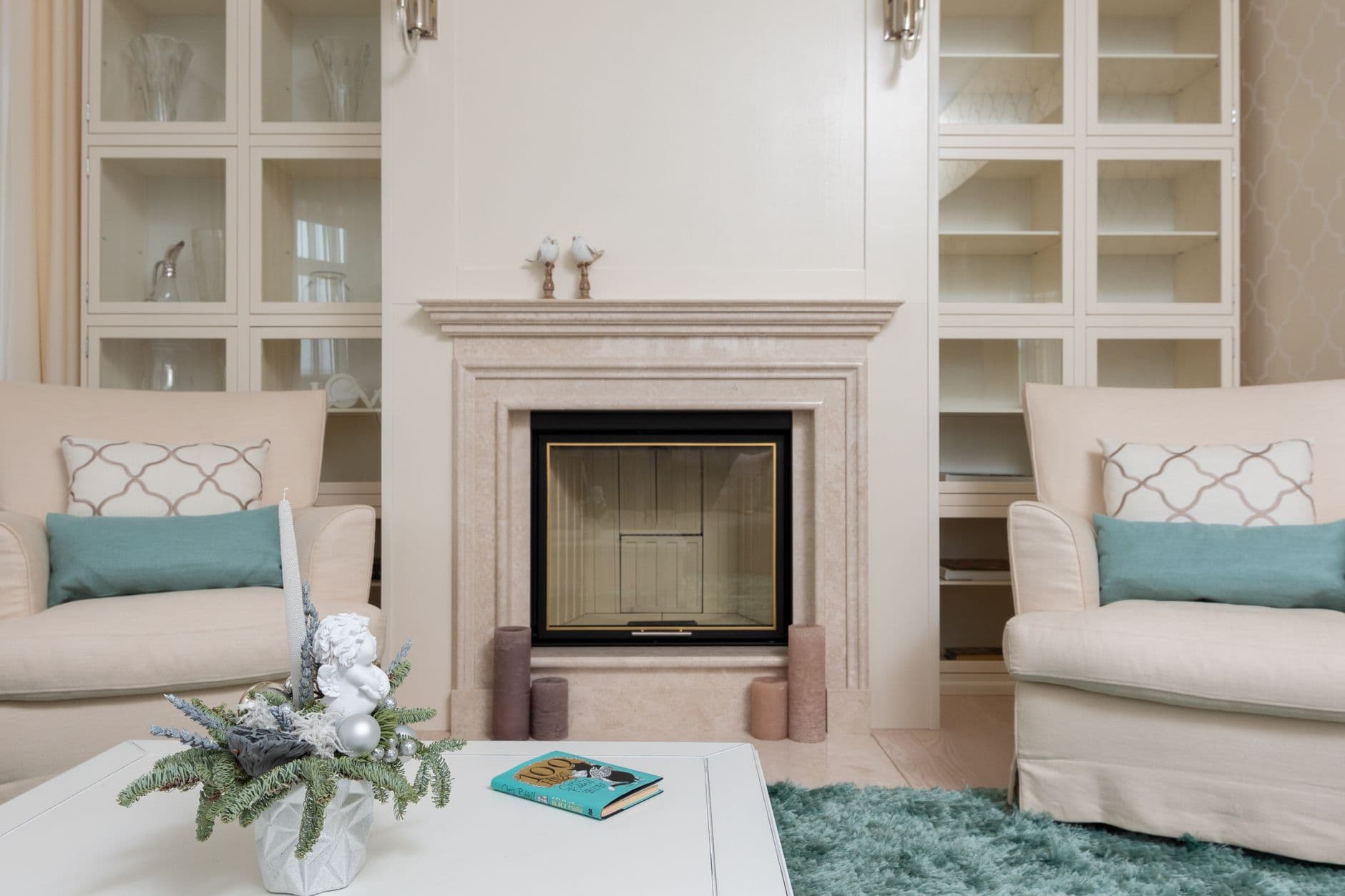
Most fireplaces across the Westside go untouched for the better part of a year, then get asked to work perfectly the moment the first genuinely cool evening arrives. That gap between months of disuse and sudden demand is exactly why a readiness check, timed correctly, changes how well a fireplace performs for the rest of the season. Handle it too late and you are troubleshooting in front of guests on the coldest night of the year. Handle it at the right point and the fireplace is simply ready when you need it.
The Window That Actually Works: Early to Mid Fall
Across Brentwood, Santa Monica, Malibu, Pacific Palisades, Beverly Hills, and West Hollywood, the window that works best sits in early to mid fall, after summer heat has faded but before the first cold evening pulls every household to their fireplace at once. Booking in this stretch means:
- - A technician can inspect and clear the flue while appointment slots are still wide open
- Any repair the check uncovers has time to get scheduled and finished before cold weather makes the fireplace something you actually need
- Your first fire of the season works correctly the first time, instead of turning into a smoke and draft problem in front of company
What a Real Readiness Check Should Cover
A check worth calling thorough goes past a quick look at the firebox. It should include each of the following.
Damper Movement
A damper that does not seal completely when closed lets conditioned air escape all year, and one that will not open fully during use chokes the draft and pushes smoke back into the room. Running the damper through its full range of motion is a basic step, and one that gets skipped more often than it should be.
Flue and Firebox Condition
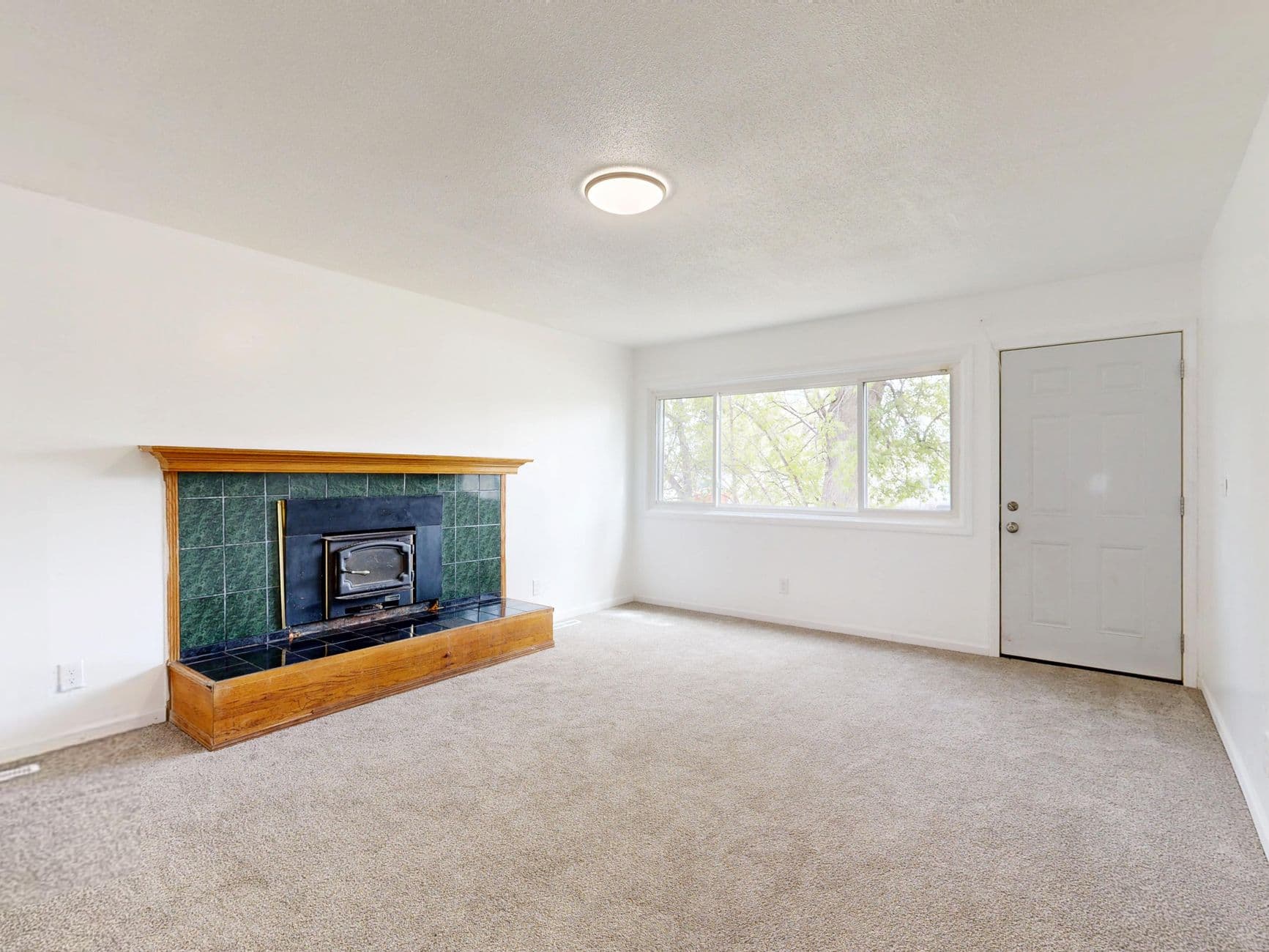
Leftover creosote and soot from the previous season cut down airflow and create a fire risk before a single log goes in. A proper check confirms the flue runs clear and that the firebox walls and refractory panels show no cracking.
How the Fireplace Draws
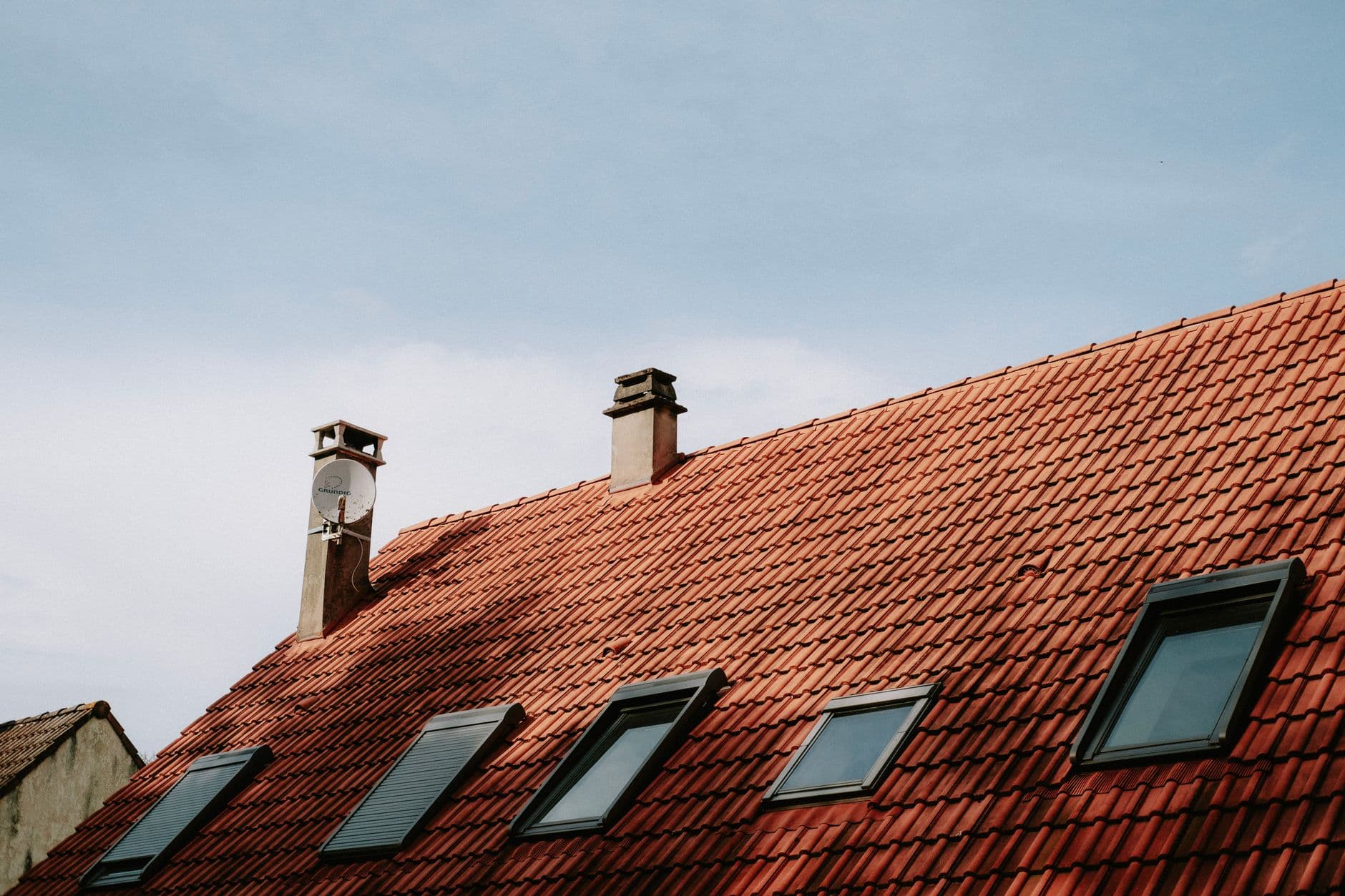
Poor draft ranks among the most common complaints homeowners bring up, and it usually comes down to one of a handful of causes: a chimney short relative to the roofline, a nearby tree or structure blocking airflow, or a flue overdue for a sweep. A technician checking draft as part of the readiness visit can pin down which of these applies to a specific property.
Seals and Heat Loss
Glass doors, where a fireplace has them, need to seal fully when closed to stop heat loss during the months the fireplace sits unused. Gaps around the firebox opening or a damper that does not close all the way let warm room air escape up the flue even with no fire burning, quietly working against whatever heating system runs elsewhere in the house.
Habits Worth Building Once the Season Starts
Past the technical check, a handful of habits make a real difference once regular use begins:
- - Choose wood that has actually dried out. Green or half seasoned wood burns cooler and smokier, and the moisture it releases turns into more residue clinging to the flue walls by the end of the season.
- Favor a compact, hot fire over a large one that just smolders. Good airflow through a modest pile of wood burns cleaner than a stacked, oxygen starved one that never fully catches.
- Push the damper lever all the way open before striking a match. Cracking it partway is enough to weaken the draft from the start, and a weak draft tends to leave more behind in the flue with every fire.
- Shut the damper firmly once the coals are cold. Almost nothing else you do matters as much for keeping treated indoor air from leaking out through an idle flue.
- Give the glass a wipe every so often. A hazy panel gets blamed for draft trouble more than it deserves, but keeping it clear also makes an actual problem easier to catch on sight.
What Waiting Actually Costs
Two things go wrong at once for households that put off the readiness check until the weather forces the issue: every technician's calendar fills at the same moment, since the whole Westside had the identical idea, and whatever the visit turns up now has to be squeezed into a tight window rather than a comfortable one. A damper that sticks or a hairline crack in the refractory panel is a quick fix on a Tuesday in October. The same repair wedged between a dozen other urgent calls in December takes longer to close out and pushes back the date the fireplace is actually usable again.
Setting a Reminder Instead of Relying on Memory
The households that consistently avoid the fall scramble tend to have one thing in common: they do not rely on remembering to call. Tying the readiness check to something already fixed on the calendar, the week the clocks change, the day patio cushions come inside for the year, a recurring note set the previous spring, turns a task that is easy to forget into one that happens automatically.
This matters even more for a property with more than one fireplace or a household juggling several seasonal tasks at once. Grouping the readiness check with other early fall maintenance, a furnace filter change or a gutter clearing, means fewer separate appointments and a single stretch of the calendar dedicated to getting the house ready for cooler weather rather than a string of individual errands spread across several weekends.
Coastal and Canyon Factors Worth Watching
Santa Monica and other coastal Westside homes see faster corrosion on metal fireplace parts thanks to salt heavy air, so damper hinges and glass door hardware deserve a closer look during the fall check than they might inland. Malibu and canyon adjacent stretches of Pacific Palisades and Beverly Hills should treat the readiness check as a chance to confirm cap and spark arrestor condition too, given the wildfire exposure that comes with that kind of terrain.
Scheduling Your Readiness Check
Pinegrove Chimney Experts offers fall readiness service across Beverly Hills, West Hollywood, Santa Monica, Brentwood, Pacific Palisades, and Malibu, plus the neighborhoods surrounding them.
Questions We Hear About Readiness Timing
What if I already lit one fire before booking the check?
One early use is not a major concern on its own, but it does mean paying closer attention to smoke and draft behavior during that first fire, then booking the check promptly rather than letting the season progress further first.
Is a readiness check different from a standard sweep?
It covers more ground. A sweep clears creosote and debris, while a readiness check adds damper testing, draft assessment, and seal checks that a basic cleaning visit does not always include at the same level of detail.
What changes on the checklist for a gas fireplace instead of wood?
The residue driven items drop off the list entirely, since gas does not leave creosote behind the way a wood fire does. In their place, attention shifts to the ignition side: the pilot, the burner ports, the thermocouple, and the glass panel. The timing logic carries over regardless of fuel type, get ahead of the season rather than react once it arrives.
With several fireplaces under one roof, is that one visit or several appointments?
Typically one. A technician working through a Brentwood or Beverly Hills property with multiple hearths can move room to room in a single stop rather than treating each fireplace as its own scheduled visit.
Reach Pinegrove Chimney Experts at (747) 216-0325 while the early fall calendar still has open slots.
Need Professional Chimney Service?
Our CSIA-certified technicians are ready to help with all your chimney and fireplace needs. Contact Pinegrove Chimney Experts today for expert service throughout the Westside / Malibu Coast service area.